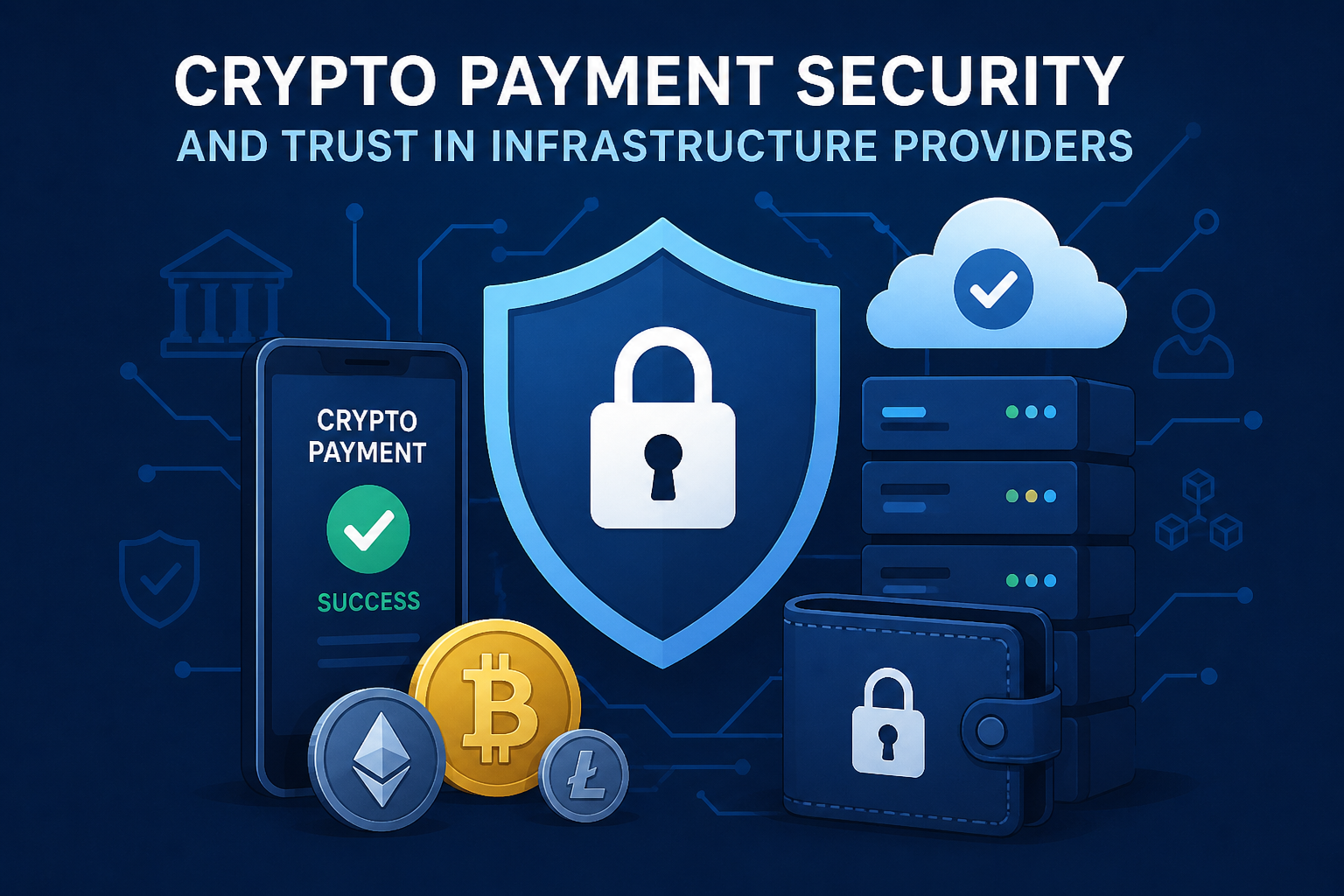
The rapid evolution of cryptocurrency has transformed the global financial landscape, offering decentralized, borderless, and efficient alternatives to traditional payment systems. As digital currencies like Bitcoin, Ethereum, and stablecoins continue to gain mainstream adoption, the importance of crypto payment security and trust in infrastructure providers has become more critical than ever. Users, businesses, and institutions are increasingly relying on blockchain-based systems to process transactions, store value, and enable financial innovation. However, with this growth comes heightened concerns about security vulnerabilities, fraud, and the reliability of platforms facilitating these transactions.
Crypto payments operate in a decentralized environment where intermediaries are minimized or eliminated. While this offers greater autonomy and transparency, it also shifts the responsibility of security onto users and infrastructure providers. Trust becomes a cornerstone of adoption, as users must feel confident that their funds and data are protected. Infrastructure providers, including exchanges, wallets, payment gateways, and custodial services, play a pivotal role in ensuring that crypto ecosystems remain secure, efficient, and trustworthy.
This article explores the complexities of crypto payment security, the role of infrastructure providers, and how trust is built and maintained in this rapidly evolving space. By understanding the risks, technologies, and best practices involved, users can make informed decisions and contribute to a safer digital financial future.
The Importance of Crypto Payment Security
Understanding the Foundations of Digital Asset Protection
Crypto payment security refers to the measures and technologies used to protect digital assets and transactions from unauthorized access, fraud, and cyberattacks. Unlike traditional banking systems, cryptocurrency transactions are irreversible, meaning that once funds are sent, they cannot be recovered without the recipient’s consent. This makes secure crypto transactions essential for preventing financial loss.
The decentralized nature of blockchain technology provides inherent security through cryptographic algorithms and consensus mechanisms. However, vulnerabilities still exist at the application layer, where users interact with wallets, exchanges, and payment platforms. Weak passwords, phishing attacks, and compromised private keys are common entry points for attackers.
Infrastructure providers must implement robust security protocols such as multi-signature authentication, end-to-end encryption, and cold storage solutions to safeguard user funds. These measures help mitigate risks and ensure that transactions are executed securely across the network.
Role of Infrastructure Providers in Crypto Ecosystems
Building Trust Through Reliable Systems
Infrastructure providers are the backbone of the cryptocurrency ecosystem. They include exchanges, custodians, wallet providers, and payment processors that facilitate the buying, selling, storing, and transferring of digital assets. Their role in ensuring trust in crypto infrastructure cannot be overstated.
Trust is built through transparency, reliability, and consistent performance. Users expect platforms to operate seamlessly, provide accurate transaction records, and maintain uptime even during periods of high demand. Infrastructure providers must also adhere to regulatory standards and implement compliance measures such as Know Your Customer (KYC) and Anti-Money Laundering (AML) protocols.
Moreover, providers must communicate clearly with users about potential risks and security practices. Educational initiatives, user-friendly interfaces, and responsive customer support contribute to a trustworthy environment. When users feel informed and supported, their confidence in the platform increases, fostering long-term engagement.
Key Security Challenges in Crypto Payments
Addressing Vulnerabilities in a Decentralized Environment
Despite advancements in blockchain technology, crypto payment systems face several security challenges. One of the most significant threats is hacking, where attackers exploit vulnerabilities in platforms or user accounts to steal funds. High-profile breaches have highlighted the need for stronger blockchain security measures and continuous monitoring.
Phishing attacks are another common issue, where users are tricked into revealing sensitive information such as private keys or login credentials. These attacks often mimic legitimate platforms, making them difficult to detect. Infrastructure providers must invest in fraud detection systems and user education to combat these threats.
Smart contract vulnerabilities also pose risks, particularly in decentralized finance (DeFi) applications. Bugs or flaws in code can be exploited to manipulate transactions or drain funds. Regular audits, code reviews, and the use of secure development practices are essential to minimize these risks.
Technologies Enhancing Crypto Payment Security
Innovations Driving Safer Transactions
Technological advancements are playing a crucial role in enhancing crypto payment security. One such innovation is the use of hardware wallets, which store private keys offline and reduce exposure to online threats. These devices provide an additional layer of protection for users managing large amounts of cryptocurrency.
Another important development is the implementation of multi-factor authentication (MFA), which requires users to verify their identity through multiple channels before accessing their accounts. This significantly reduces the risk of unauthorized access.
Blockchain analytics tools are also being used to monitor transactions and detect suspicious activity in real time. These tools help infrastructure providers identify potential threats and respond to mitigate risks. Additionally, the integration of zero-knowledge proofs allows for secure and private transactions without revealing sensitive information.
Regulatory Compliance and Its Impact on Trust

Strengthening Confidence Through Legal Frameworks
Regulation plays a vital role in establishing trust in crypto payment systems. Governments and regulatory bodies are increasingly recognizing the need to oversee cryptocurrency activities to protect consumers and prevent illicit activities. Compliance with regulations enhances the credibility of infrastructure providers and reassures users about the safety of their funds.
Providers that implement KYC and AML procedures demonstrate a commitment to transparency and accountability. While some users may view these measures as intrusive, they are essential for maintaining the integrity of the ecosystem. Regulatory compliance also helps prevent fraud, money laundering, and other criminal activities.
As the regulatory landscape evolves, infrastructure providers must stay updated and adapt their practices accordingly. Collaboration between regulators and industry participants can lead to the development of standards that balance innovation with security.
Building User Trust in Crypto Payment Systems
Transparency, Education, and User Experience
Trust in crypto payment systems is not solely based on technology; it also depends on user perception and experience. Infrastructure providers must prioritize transparency by clearly outlining their security practices, fees, and terms of service. Open communication helps build credibility and reduces uncertainty.
User education is another critical factor. Many security breaches occur due to a lack of awareness among users. By providing resources, tutorials, and guidance on best practices, providers can empower users to protect their assets. Topics such as private key management, phishing prevention, and secure wallet usage should be emphasized.
A seamless user experience also contributes to trust. Platforms that are easy to navigate, responsive, and reliable encourage users to engage more confidently. Regular updates, bug fixes, and performance improvements demonstrate a commitment to quality and security.
The Future of Crypto Payment Security
Emerging Trends and Long-Term Outlook
The future of crypto payment security and trust in infrastructure providers is shaped by continuous innovation and collaboration. As the industry matures, new technologies and standards will emerge to address existing challenges and enhance security.
Decentralized identity solutions are gaining traction, allowing users to control their personal information while verifying their identity securely. This can reduce reliance on centralized databases and minimize the risk of data breaches advancements in quantum-resistant cryptography aim to protect blockchain systems from future threats posed by quantum computing.
Interoperability between different blockchain networks is another area of focus. Secure cross-chain transactions will enable seamless transfers of assets across platforms, expanding the utility of cryptocurrencies. Infrastructure providers must ensure that these integrations are implemented securely to prevent vulnerabilities.
Conclusion
Crypto payment security and trust in infrastructure providers are fundamental to the continued growth and adoption of digital currencies. As more individuals and businesses embrace cryptocurrency, the need for secure, reliable, and transparent systems becomes increasingly important. Infrastructure providers play a central role in building and maintaining trust by implementing robust security measures, adhering to regulatory standards, and prioritizing user experience.
While challenges remain, ongoing advancements in technology and collaboration within the industry are paving the way for a safer and more trustworthy crypto ecosystem. By understanding the risks and adopting best practices, users can navigate the world of digital payments with confidence and contribute to a more secure financial future.
FAQs
Q. Why is crypto payment security important?
Crypto payment security is crucial because cryptocurrency transactions are irreversible. Without proper security measures, users risk losing their funds permanently due to hacks or fraud.
Q. How do infrastructure providers ensure secure crypto transactions?
They use technologies like encryption, multi-factor authentication, cold storage, and continuous monitoring systems to protect user assets and data.
Q. What are the common threats in crypto payments?
Common threats include hacking, phishing attacks, smart contract vulnerabilities, and unauthorized access to private keys.
Q. How does regulation impact trust in crypto systems?
Regulation enhances trust by ensuring that providers follow legal standards, implement security measures, and prevent illegal activities such as money laundering.
Q. What can users do to improve their crypto security?
Users should use strong passwords, enable MFA, store private keys securely, avoid suspicious links, and stay informed about security best practices.